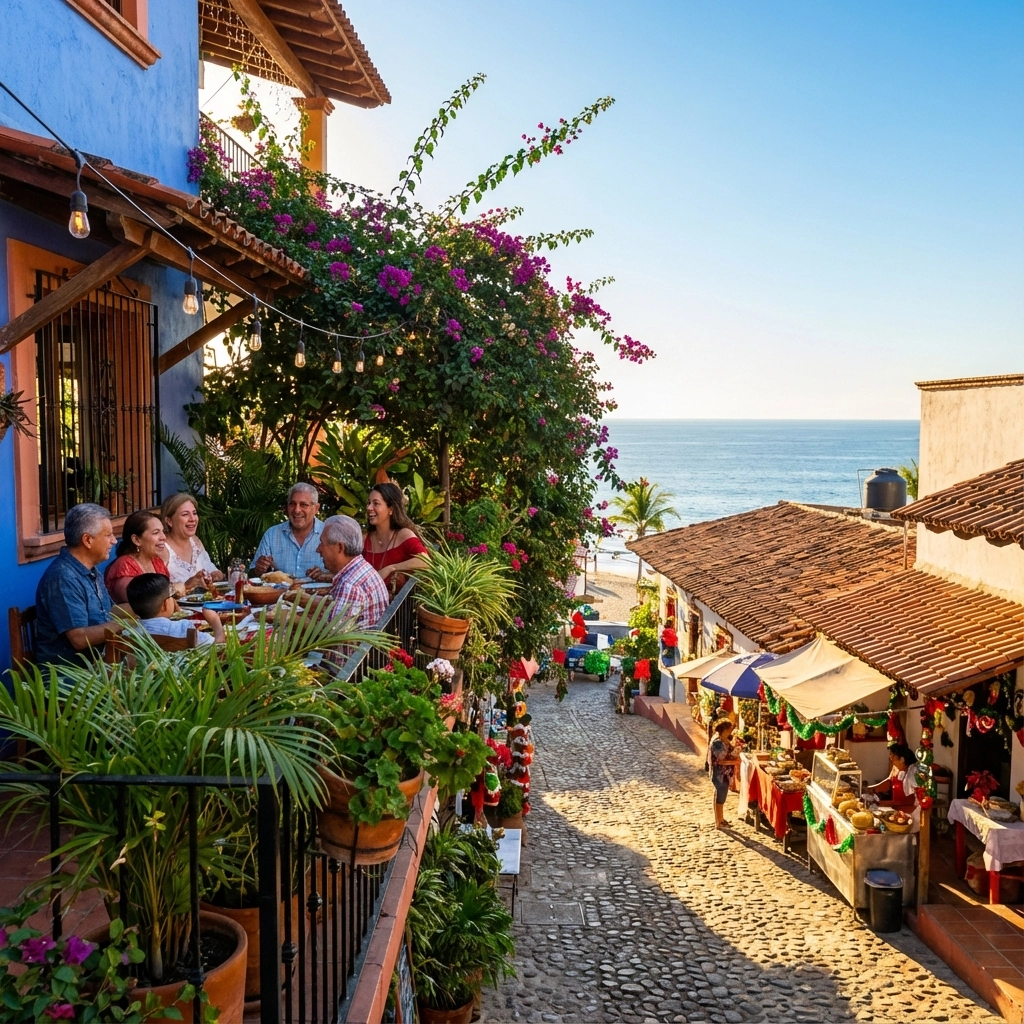
Let's get real for a second. The internet is packed with "secret" lists that promise insider knowledge about Puerto Vallarta's holiday season, but most of them are just recycled tourist guides dressed up with clickbait headlines. After digging deep into what locals actually do during the holidays, I've got some authentic insights that'll help you experience PV like a true Vallartense.
Here's the truth: local families aren't actively hiding amazing experiences from tourists. They're just living their lives, celebrating traditions, and enjoying their city in ways that don't always make it into travel brochures.
The Real Holiday Calendar Locals Follow
Forget everything you think you know about Puerto Vallarta's holiday season. While tourists focus on Christmas and New Year's, locals are deep into the most important celebration of the year: Las Fiestas Guadalupanas.
From December 1st through December 12th, the entire city transforms for the Feast of the Virgin of Guadalupe. This isn't some tourist show – it's a deeply spiritual event where families walk for miles in processions, carrying flowers and singing traditional songs. The real action happens in neighborhoods like 5 de Diciembre and Versalles, where local parish churches host their own intimate celebrations.

The culmination on December 12th brings thousands of locals to the Cathedral, but here's what guidebooks miss: the most meaningful moments happen at dawn. Families gather at 5 AM for "Las Mañanitas" – birthday songs for the Virgin. The streets fill with vendors selling traditional breakfast foods like tamales, atole, and fresh fruit, creating an authentic community atmosphere you'll never find at resort buffets.
Where Locals Actually Eat During the Holidays
Skip the Malecón restaurants during peak holiday season. Local families know they're overpriced and overcrowded. Instead, they head to places like Mercado Municipal and the neighborhoods surrounding downtown.
During Las Fiestas Guadalupanas, street vendors set up along pilgrimage routes serving pozole rojo, buñuelos drizzled with piloncillo syrup, and ensalada de Noche Buena – a traditional Christmas salad with beets, oranges, and peanuts. These aren't permanent restaurants; they're temporary family operations that appear only during religious celebrations.
The Wednesday market in Fluvial Vallarta draws locals buying fresh ingredients for posadas – reenactments of Mary and Joseph's journey that happen in homes and neighborhoods throughout December. These intimate gatherings feature homemade Mexican hot chocolate, rosca de reyes, and traditional Christmas carols sung in Spanish.
For raicilla tastings – Jalisco's answer to tequila – locals recommend the mountain villages like San Sebastián del Oeste, accessible by day trips that most tourists skip. Family-run distilleries offer authentic tastings paired with regional specialties, far from the commercial tequila tours marketed to visitors.
The Hidden Celebration Spots
While tourists pack the main Malecón for holiday events, local families celebrate in neighborhood plazas and community centers. The Plaza de Armas in downtown Vallarta hosts smaller, more intimate gatherings where mariachi bands play for tips and families bring picnic blankets.
Zona Romántica's cobblestone streets transform during the South Side Shuffle – a biweekly street party that happens year-round but takes on special holiday flair in December. Unlike tourist-focused events, this draws a genuine mix of expats who've made PV home and local families looking for community celebration.
The real insider tip? Local beaches like Playa de Los Muertos become gathering spots for extended family celebrations on December 25th. Families bring grills, music, and homemade food for all-day beach parties that have nothing to do with tourist activities.
Traditional Posadas: The Holiday Experience Tourists Miss
The most authentic holiday tradition in Puerto Vallarta happens behind closed doors. Posadas are nine-night celebrations leading up to Christmas, where families and neighborhoods reenact Mary and Joseph's search for shelter.
These aren't tourist attractions – they're genuine community events where everyone contributes food, music, or decorations. Children carry candles and sing traditional songs while adults break piñatas filled with seasonal fruits. Each neighborhood hosts different nights, creating a rotating celebration that lasts from December 16th through Christmas Eve.
To experience a posada, you'd need local connections or extended stays in residential neighborhoods. It's not something you can book through a tour company, which is exactly why it remains authentically Mexican.
Shopping Like a Local During the Holidays
Forget Galerias Vallarta and the tourist markets along the Malecón. Local families shop for holiday gifts at weekly tianguis (traveling markets) that rotate through different neighborhoods.
The organic farmers market in Fluvial Vallarta happens every Wednesday, offering everything from fresh produce to handmade crafts at prices that serve the local community rather than tourist wallets. Artisans sell directly here – no middleman markup.
For traditional holiday decorations and religious items for home altars, locals head to the streets surrounding Parroquia de Nuestra Señora de Guadalupe. Small family shops sell everything needed for personal Guadalupe celebrations: fresh flowers, candles, Mexican papel picado, and traditional imagery.
Getting There and Staying Local
If you want to experience Puerto Vallarta's authentic holiday season, you need to stay in neighborhoods where these celebrations actually happen, not in resort zones isolated from local life.
Consider residential areas like Casa CC, which puts you within walking distance of neighborhood churches hosting posadas and local markets serving traditional holiday foods. These locations offer the perfect balance of comfort and cultural immersion. Browse all stays at thepvgirl.com.
For longer stays that let you truly integrate into holiday rhythms, check out monthly opportunities that place you in residential communities where families invite neighbors to join posadas and local celebrations become part of your daily routine. If our calendar's full, browse vetted options at Vallarta Rentals.
The Reality Check
Here's the honest truth: most "local secrets" aren't secrets at all. They're just aspects of daily life that don't translate easily into tourist experiences. Religious celebrations require cultural respect and often Spanish language skills. Neighborhood gatherings work on relationship-building over time. Traditional foods might challenge palates accustomed to resort dining.
The real "secret" is that experiencing Puerto Vallarta like a local during the holidays requires patience, cultural sensitivity, and genuine interest in traditions that center around faith, family, and community rather than entertainment and consumption.
Local families aren't trying to hide anything from tourists. They're simply living their lives according to traditions that predate the tourism industry by centuries. The most meaningful holiday experiences in Puerto Vallarta happen when visitors approach these traditions with respect and genuine curiosity rather than expecting them to be packaged for easy consumption.
Making It Happen
Want to experience authentic Puerto Vallarta holiday celebrations? Start by learning basic Spanish, research the religious significance of December traditions, and plan extended stays that allow for relationship-building rather than quick tourist experiences. For step-by-step local tips, see our blog.
The families who've been celebrating Las Fiestas Guadalupanas for generations aren't keeping secrets from tourists – they're preserving traditions that require participation rather than observation. Show up with respect, curiosity, and genuine interest in Mexican culture, and you'll find doors opening to experiences no guidebook can provide.
That's the real insider knowledge about Puerto Vallarta's holiday season: authenticity can't be packaged, scheduled, or purchased. It happens through genuine cultural exchange and community participation that develops over time rather than in a single vacation week.
About the Author