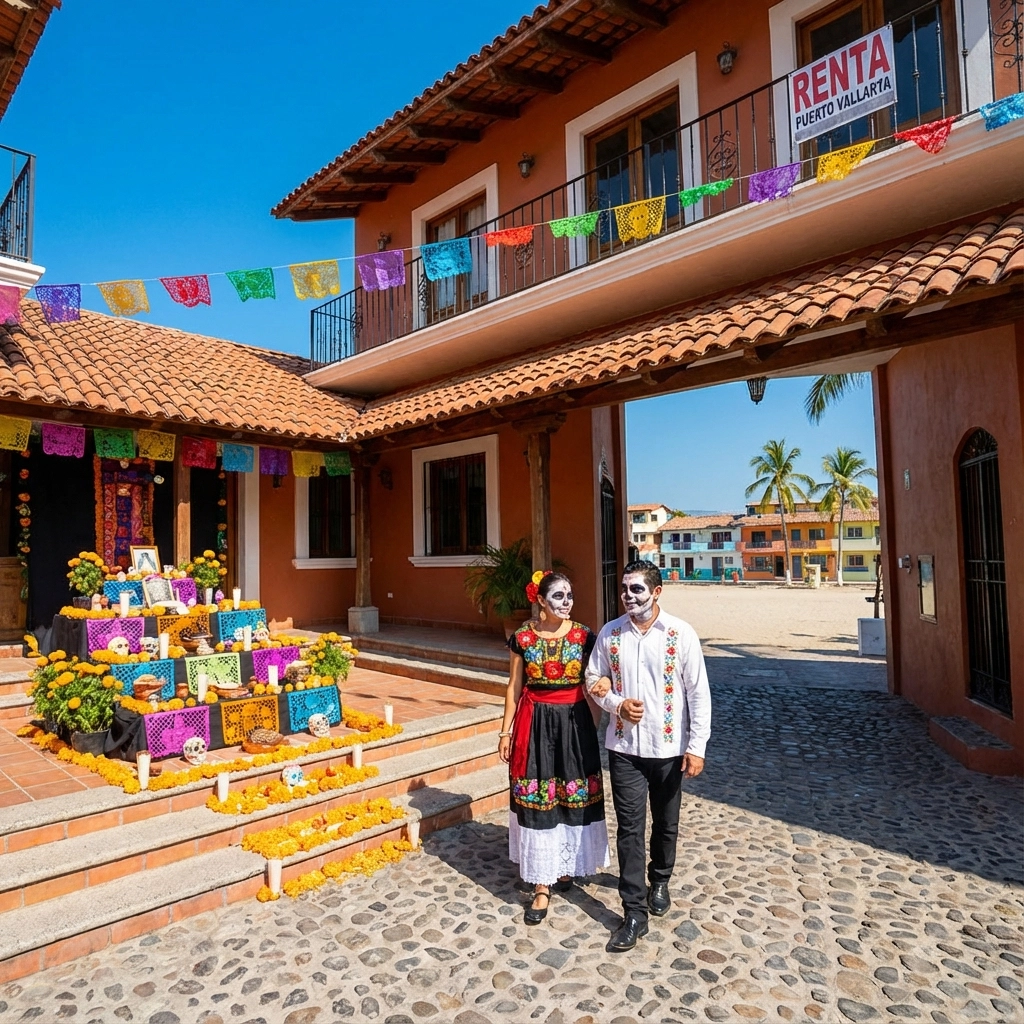
Day of the Dead in Puerto Vallarta isn't just another tourist attraction: it's a deeply meaningful celebration that brings families and communities together to honor departed loved ones. But here's the thing: if you're staying in the wrong spot or following the typical tourist trail, you'll miss the real magic entirely.
Most visitors end up at commercialized events designed for outsiders, complete with overpriced drinks and performative "culture" that locals roll their eyes at. The authentic celebration happens in neighborhoods, family gatherings, and community spaces where traditions have been passed down for generations.
Want to experience Day of the Dead like someone who actually lives here? Here's your step-by-step guide to doing it right.
Step 1: Choose Your Zona Romántica Base Strategically
Location isn't everything: it's the only thing when it comes to authentic Day of the Dead experiences. You need to be walking distance from where locals actually celebrate, not tucked away in some beachfront bubble.

Stay Within the Heart of Zona Romántica
Book your zona romantica puerto vallarta rentals near the Río Cuale and Olas Altas Street corridor. This puts you right in the middle of community life, where you can walk to neighborhood celebrations without depending on taxis or ride-shares that'll be crazy expensive during festival season.
The streets around Basilio Badillo and Constitution become the unofficial headquarters for local Day of the Dead activities. Families set up altars in their front yards, neighbors gather for communal meals, and you'll hear the authentic sounds of celebration: mariachi music played by local musicians, not tourist entertainment.
Avoid the Marina and Hotel Zone
Sure, those areas have their own Day of the Dead events, but they're designed for people who want to experience Mexican culture from a safe distance. You'll get sanitized versions of traditions, English-speaking tour guides explaining customs they learned from guidebooks, and activities that feel more like theme park attractions than genuine cultural experiences.
Step 2: Understand What Day of the Dead Actually Means
Before you start snapping photos and posting to Instagram, take time to understand why this celebration exists. Day of the Dead isn't Mexican Halloween: it's a profound tradition about maintaining connections with departed family members.
Learn About Ofrendas (Altars)
Ofrendas are the heart of Day of the Dead. These aren't decorative displays for tourists to photograph: they're sacred spaces where families invite their deceased loved ones back for a visit. Each element has meaning: marigold flowers create a path for spirits to follow, favorite foods welcome them home, and personal belongings help spirits recognize their families.
When you see ofrendas around Zona Romántica, approach them with respect. Many families don't mind visitors observing, but ask permission before taking photos and never touch anything on the altar.
Recognize Authentic vs. Commercial Celebrations
Real Day of the Dead celebrations feel intimate and family-focused. You'll see children helping grandmothers arrange flowers, fathers sharing stories about deceased relatives, and communities coming together to share memories and food.
Commercial celebrations feel like parties with Day of the Dead themes. They're loud, focused on entertainment rather than remembrance, and designed to separate tourists from their money rather than honor tradition.
Step 3: Join Community Events, Not Tourist Shows
The difference between authentic community events and tourist shows becomes crystal clear during Day of the Dead season. Here's how to find the real celebrations.
Attend the Isla de Los Muertos Festival
The annual festival on Isla del Río Cuale showcases genuine local traditions while supporting community organizations like Vallarta Garden Club and Vallarta Cares. This isn't a tourist trap: it's a family-friendly gathering where locals bring their children to learn about their heritage.
You'll see elaborate altars created by local families, elegant Catrina figures that took weeks to prepare, and live entertainment by musicians who grew up in Puerto Vallarta. The festival feels authentic because it is authentic: organized by locals, for locals, with visitors welcome to observe and participate respectfully.
Explore Neighborhood Celebrations
Walk through the residential streets of Zona Romántica during the evening hours of November 1st and 2nd. Many families open their homes to neighbors and respectful visitors, sharing traditional foods like pan de muerto (bread of the dead) and sharing stories about their departed loved ones.
These gatherings happen organically in people's front yards, neighborhood plazas, and local churches. You won't find them advertised on tourism websites: you'll discover them by being present in the community and accepting invitations when they're offered.
Step 4: Explore Local Altars and Neighborhood Traditions
The most meaningful Day of the Dead experiences happen away from organized events, in the spaces where locals live their daily lives.
Visit Community Altar Displays
Throughout Zona Romántica, local businesses, schools, and community organizations create stunning altar displays that reflect genuine traditions rather than tourist expectations. The displays in local shop windows, neighborhood churches, and community centers show how Day of the Dead actually fits into daily Mexican life.
Take time to read the names on the altars and notice the personal touches: family photos, handwritten letters, favorite objects that belonged to the deceased. These details tell stories about real people and real loss, not generic "Mexican culture."
Experience Traditional Foods
Day of the Dead has its own culinary traditions that go far beyond the tourist favorites you'll find in hotel restaurants. Look for vendors selling traditional pan de muerto, a sweet bread that families share while visiting cemeteries. Try atole, a warm drink made from corn masa that's traditionally served during cemetery visits.
Local families often invite respectful visitors to share these traditional foods. Accept these invitations graciously: they're offering you a genuine cultural exchange, not a tourist experience.
Step 5: Time Your Stay for Maximum Cultural Immersion
Day of the Dead isn't a single-day event: it's a multi-day celebration with different activities and traditions happening on specific dates. Plan your puerto vallarta condo rentals to experience the full cycle of traditions.
October 31st: Preparation Day
This is when you'll see families setting up their ofrendas and preparing traditional foods. It's a quieter day focused on family activities rather than public celebrations. Walk through residential neighborhoods to observe families working together to honor their departed loved ones.
November 1st: Day of the Little Angels
November 1st honors deceased children and infants. The celebrations tend to be more subdued and family-focused. You'll see smaller altars decorated with toys, candy, and white flowers. Community gatherings on this day feel more intimate and solemn.
November 2nd: Day of the Dead
This is the main celebration day when adults who have passed away are honored. Public celebrations reach their peak, cemetery visits happen throughout the day and evening, and the largest community events take place.
Plan for Extended Stays
Consider booking monthly condo rentals puerto vallarta mexico for the entire month of November. This gives you time to build relationships with neighbors, participate in preparation activities, and experience how Day of the Dead fits into the broader rhythm of Mexican life rather than treating it as an isolated cultural event.
Extended stays also let you participate in the post-celebration traditions, when families continue visiting cemeteries and sharing memories throughout the month of November.
Making Memories That Actually Matter
Day of the Dead in Zona Romántica offers something you can't get from guidebooks or tour groups: the chance to witness how living cultures honor their history while adapting to modern life. When you approach this celebration with respect and genuine curiosity rather than tourist expectations, local families often welcome you into traditions that have shaped their communities for generations.
The key is remembering that you're a guest in someone else's cultural moment. Come with open hands and an open heart, leave your camera in your pocket when the situation calls for it, and focus on understanding rather than documenting. That's when Day of the Dead stops being something you observe and starts being something you truly experience.
About the Author