Post 1: "Is Your Puerto Vallarta Condo Rental Legit? 2026 Registration Rules Every Traveler Should Know"
- Schedule Time: Feb 19, 2026 — 8:00 AM
- Property Link 1 (Anchor Text / SEO Keyword): "Casa CC Puerto Vallarta condo rental" → https://thepvgirl.com/casa-cc/ (Property Page: Casa CC)
- Property Link 2 (Anchor Text / SEO Keyword): "Sueño Puerto Vallarta apartment rental" → https://thepvgirl.com/sueno/ (Property Page: Sueño)
- Blog-to-Blog Link 1 (Anchor Text): "understand the actual costs of renting" → https://thepvgirl.com/blog/ef7a8473-8691-4ac8-a459-7c2f21b145a5 (Blog Post: The True Cost of Puerto Vallarta Rentals)
- Blog-to-Blog Link 2 (Anchor Text): "avoid the most common booking mistakes" → https://thepvgirl.com/blog/494b9abd-a6aa-476a-8684-6539673c0582 (Blog Post: 7 Mistakes You're Making When Choosing Puerto Vallarta Rental Condos)
- Blog-to-Blog Link 3 (Anchor Text): "Peak vs. Shoulder Season" → https://thepvgirl.com/blog/dc92d3a1-b150-45fb-aefa-d71c003b9954 (Blog Post: Peak vs. Shoulder Season)
- Social Link (Anchor Text): "follow us on Facebook" → https://www.facebook.com/thepvkid/ (Social Profile: Facebook / thepvkid)
Is Your Puerto Vallarta Condo Rental Legit? 2026 Registration Rules Every Traveler Should Know
You've found the perfect Puerto Vallarta rental condos listing. The views are stunning, the price seems fair, and the photos look incredible. But here's the question most travelers forget to ask: Is this rental even legal?
In 2026, Mexico's rental regulations are tighter than ever. Understanding what makes a condo rental legitimate isn't just about following rules: it's about protecting yourself from potential headaches, surprise fees, or worse.
The New 2026 Registration Landscape
Puerto Vallarta's vacation rental market operates under federal, state, and municipal oversight. Unlike some destinations with a single licensing system, legitimacy here requires compliance across multiple levels.
Every legal rental must register with Mexico's SAT (federal tax authority) using an RFC number. This federal tax identification applies whether you're staying for three nights or three months. No RFC registration means the property operates outside legal boundaries.
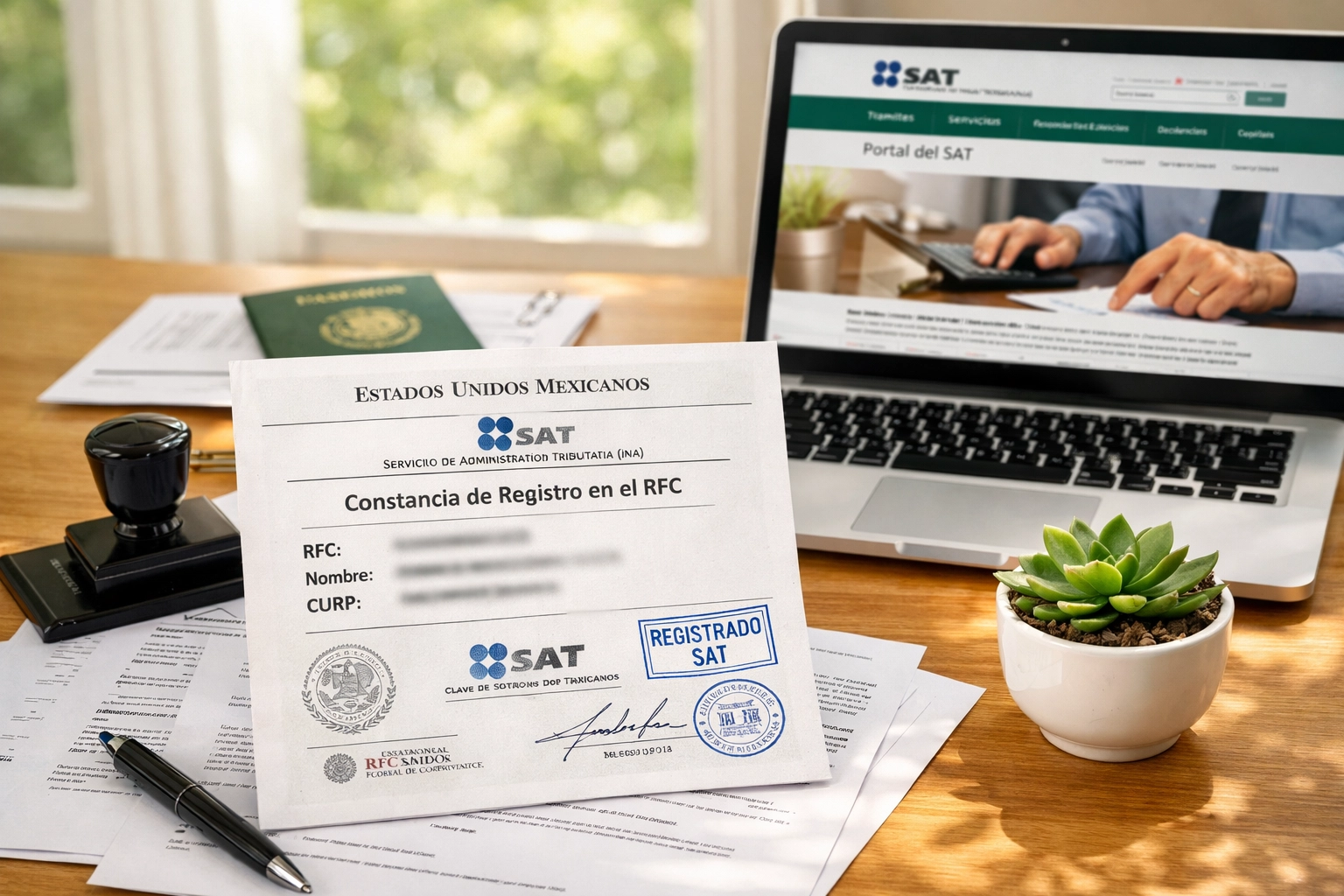
The catch? There's no unified short-term rental license in Puerto Vallarta. Instead, hosts must navigate a patchwork of requirements: federal tax rules, Jalisco state lodging agreements, and Puerto Vallarta's 2026 income law introducing new environmental charges and higher water rates for rental units.
What Registration Actually Means for You
A registered property signals several protections. The owner has committed to transparency with tax authorities. They've acknowledged their obligations under Mexican law. They're operating openly, not hiding from regulatory oversight.
Unregistered rentals create risk. If local authorities discover an illegal operation during your stay, you could face displacement with nowhere to go. Building management might shut down the unit. Your "great deal" becomes a travel nightmare.
Registration also affects what you'll actually pay. Legal operators properly calculate and collect taxes. When you understand the actual costs of renting, you can budget accurately without surprise charges appearing at checkout. And if you want to go in with your eyes open, make sure you also avoid the most common booking mistakes before you lock anything in.
The Building-Level Wild Card
Here's where it gets tricky. Even if a rental has proper federal registration, your building's HOA rules might prohibit short-term rentals entirely.
Many developments in Zona Romántica, Marina Vallarta, and Conchas Chinas have bylaws limiting or banning vacation rentals. The city doesn't enforce neighborhood-wide restrictions, but individual buildings absolutely do.
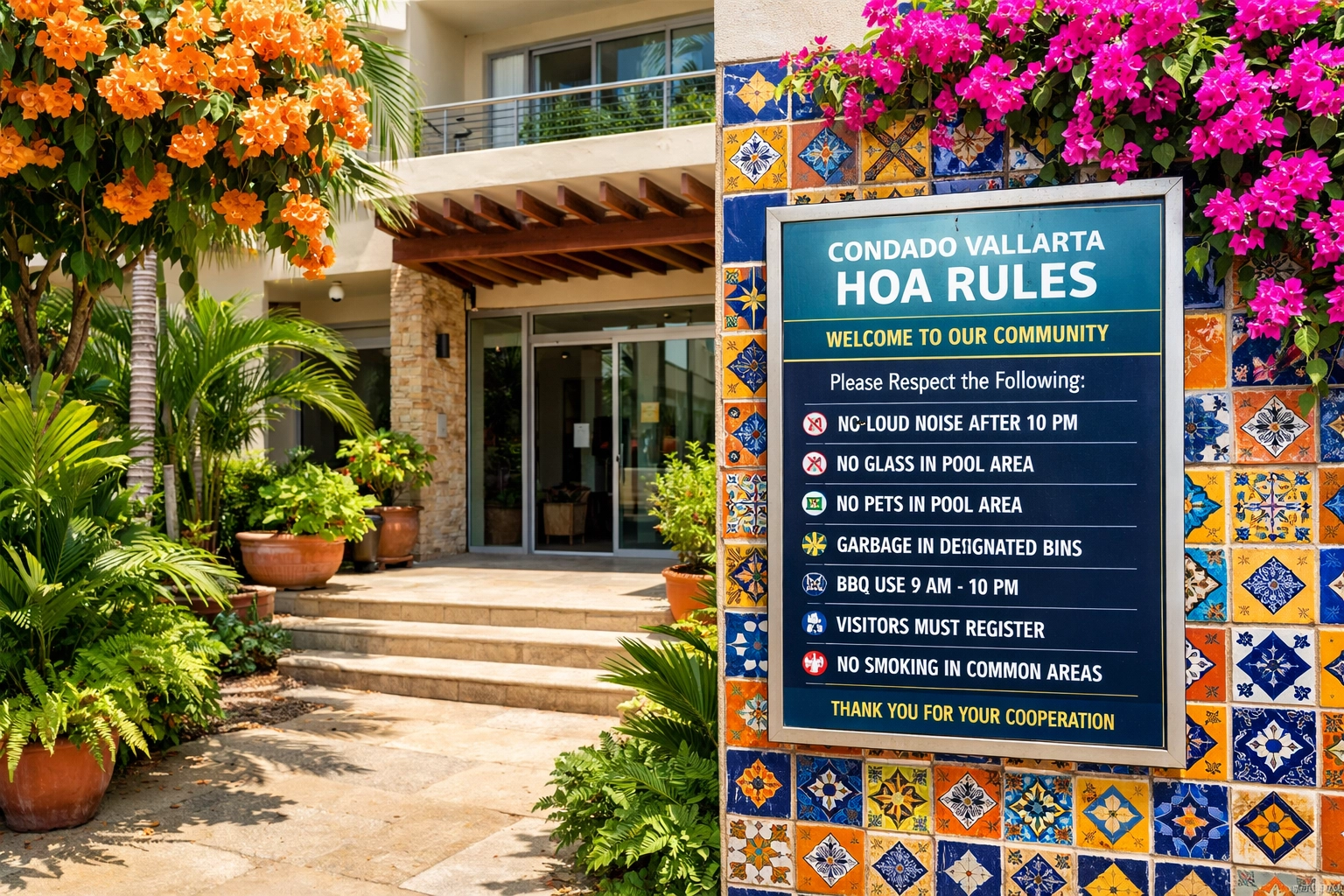
A legitimate host knows their building's rules and follows them. An illegitimate one might rent to you anyway, hoping no one notices. When management discovers the violation, you're the one scrambling for alternative accommodation.
Before booking, ask explicitly: Does your building allow short-term rentals? Can you provide written confirmation from HOA documents? If the host can't answer clearly, that's your red flag.
The Foreign Ownership Factor
Many Puerto Vallarta rental properties are foreign-owned. That's completely legal, but it requires a specific structure.
Properties within 50 kilometers of the coastline fall under Mexico's restricted zone. Foreign owners must use a fideicomiso: a bank trust that holds the property title. The trust proves legal ownership and the right to rent apartments in Puerto Vallarta.
Ask for documentation. Legitimate foreign owners can provide their fideicomiso number and bank information. They're proud of their legal status. Hosts who dodge these questions or provide vague answers raise concerns.
Red Flags That Scream "Illegal Operation"
Certain warning signs indicate a rental operates outside legal boundaries:
- The host refuses to provide an RFC number or dismisses the question
- Pricing seems significantly below market without clear explanation
- Payment requests come through personal accounts rather than documented platforms
- The listing lacks proper rental agreements or contracts
- Communication happens exclusively through unofficial channels
- The host discourages questions about registration or permits
Legitimate operators welcome these questions. They've invested time and resources into compliance. They want you to feel confident in your booking.

What Makes Family-Run Rentals Different
Family-owned properties like ours take a different approach to legitimacy. We're not just compliant: we're invested in Puerto Vallarta's long-term success.
Our registration isn't a checkbox exercise. It's proof of our commitment to this community. We pay our taxes. We follow building rules. We maintain relationships with neighbors and local government.
When you book with a registered family operation, you get more than legal compliance. You get hosts who actually care if you're comfortable, safe, and enjoying Puerto Vallarta. We don't disappear after collecting payment. We're here, available, and accountable.
The 2026 Enforcement Reality
Current enforcement doesn't require hotel-style business licenses or health inspections for residential rentals. But that could change.
Jalisco's state congress has discussed stricter regulations, including potential 180-night annual caps on short-term rentals. These proposals aren't law yet, but they signal growing regulatory attention. If you're trying to time your trip smart, bookmark this: Peak vs. Shoulder Season.
Smart travelers book with hosts who are already ahead of compliance curves. When new rules arrive, legitimate operators adapt quickly. Illegal ones scramble, panic, or simply shut down: leaving booked guests in limbo.
How to Verify Before You Book
Protecting yourself takes three simple steps.
First, ask directly about RFC registration. Request the number and confirmation that all tax obligations are current. Legitimate hosts provide this information immediately.
Second, verify building approval. Ask for HOA documentation or written confirmation that short-term rentals are permitted. If the host claims "everyone does it" without proof, walk away.

Third, review the contract carefully. Legal rentals include detailed agreements covering dates, payments, rules, cancellation policies, and legal recourse. If there's no formal contract, you have no legal protection.
Why Peace of Mind Matters More Than Ever
2026's regulatory environment makes legitimacy non-negotiable. You're not just booking a vacation rental: you're making a legal agreement in a foreign country.
Registered properties provide documented proof of your right to occupy the space. If anything goes wrong, you have legal standing. With illegal rentals, you have nothing.
The peace of mind that comes with booking a legitimate, registered property transforms your vacation. You're not wondering if building security will knock on your door. You're not worried about sudden evictions. You're actually relaxing and enjoying Puerto Vallarta.
Book Smart, Stay Safe
Puerto Vallarta's rental market offers incredible options. The city's beauty, culture, and hospitality make it a world-class destination. But only when you're staying somewhere legal.
Don't let a "great deal" turn into a terrible experience. Ask the right questions. Verify the answers. Choose registered properties run by people who care about both compliance and your comfort.
Your Puerto Vallarta adventure should start with confidence, not concern. Book with legitimate hosts who've done the work to operate legally. You'll sleep better, vacation better, and create the memories you came here for.
Want to stay somewhere that's not just legal, but locally loved? We'd love to show you what family-run hospitality really means!
For more information about our registered properties and what makes them special, check out our Casa CC Puerto Vallarta condo rental or take a peek at our Sueño Puerto Vallarta apartment rental. And if you want to stay connected with local tips and Puerto Vallarta insights, follow us on Facebook!
About the Author